Vacation
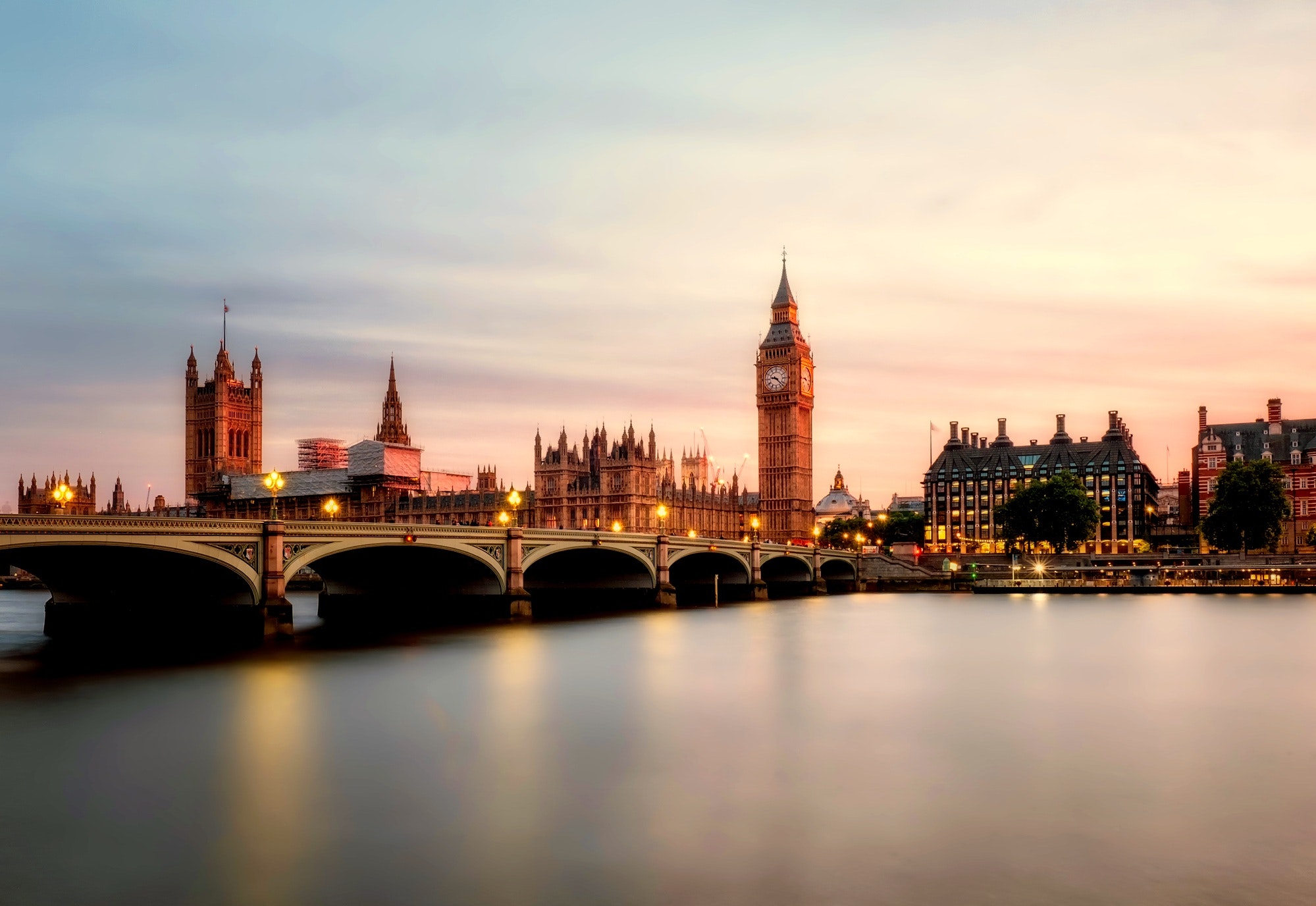
London is worth visiting for the variety you can fit into one outing. On the South Bank, Westminster’s familiar skyline gives way to theatres, a former power station turned art gallery and food stalls near London Bridge. On another day, Greenwich offers a riverside village feel and a park with views back towards the city. The easiest way to plan a first trip is to choose what you want from each area and group stops before booking.
London landmarks worth seeing on a first visit
Start at Westminster for the Houses of Parliament, Big Ben and Westminster Abbey. If you want a close look at the Abbey, make it the main visit in this area. For an outdoor route, walk through St James’s Park towards Buckingham Palace, or cross Westminster Bridge for views back towards Parliament.
On the South Bank, follow the river towards Bankside. You can stop at Tate Modern, look across the Millennium Bridge towards St Paul’s Cathedral, and continue to Borough Market for food. Pick a shorter stretch if the weather turns or you want time inside a gallery.
Save the Tower of London for when you want to spend time on one major historic site. Tower Bridge is nearby, so it’s easy to see both without crossing the city again. The riverside walk is a good fallback if you decide to skip the ticketed visit.
Choose a museum that matches your interests
World history: the British Museum is a large collection, so decide on a few galleries before you arrive. Bloomsbury’s squares and bookshops give you something to do nearby when you’re ready for fresh air. General admission is free. Check the museum’s current ticket guidance.
Art: Tate Modern fits naturally into a Bankside walk. For paintings and a different part of central London, consider the National Gallery in Trafalgar Square. Design and science: South Kensington lets you choose between the V&A, the Science Museum and the Natural History Museum without a long transfer between them. One museum with time to explore is usually more rewarding than rushing between all three.
London neighbourhoods for food, parks and evenings out
Covent Garden and the West End: useful if a show is part of the trip. Explore Covent Garden before an evening performance and eat nearby so you have time to reach the theatre. If you prefer a lower-key evening, leave the show out and use the area as a starting point for a walk through nearby streets.
Greenwich: allow time for both the riverfront and the park. Start around the Old Royal Naval College or the National Maritime Museum, then climb towards the Royal Observatory for the view. The slope is steep, so build in time or stay around the lower part of the park if you prefer a flatter route.
Markets and meals: Borough Market works well with Bankside. Rather than crossing London for every meal, choose food stops along the route you planned. This gives you more time in each neighbourhood and lets a long lunch become part of the visit.
Practical tips for your first London trip
- Getting around
- Use the journey planner to check routes and access. With contactless or Oyster, use the same card or device to touch in and out on rail services. On buses and trams, touch in only.
- Where to base yourself
- Choose a neighbourhood near the things you most want to do. The South Bank suits riverside walks. Bloomsbury makes sense if museums and central streets are your focus. Check the route to your arrival station or airport as well as the map distance to the sights.
- What to book first
- Sort out the visit you’d be most disappointed to miss, whether that’s a theatre performance, a major exhibition or an attraction with timed admission. Then fill in nearby walks and meals. Check holiday opening times and route changes before finalising the plan.